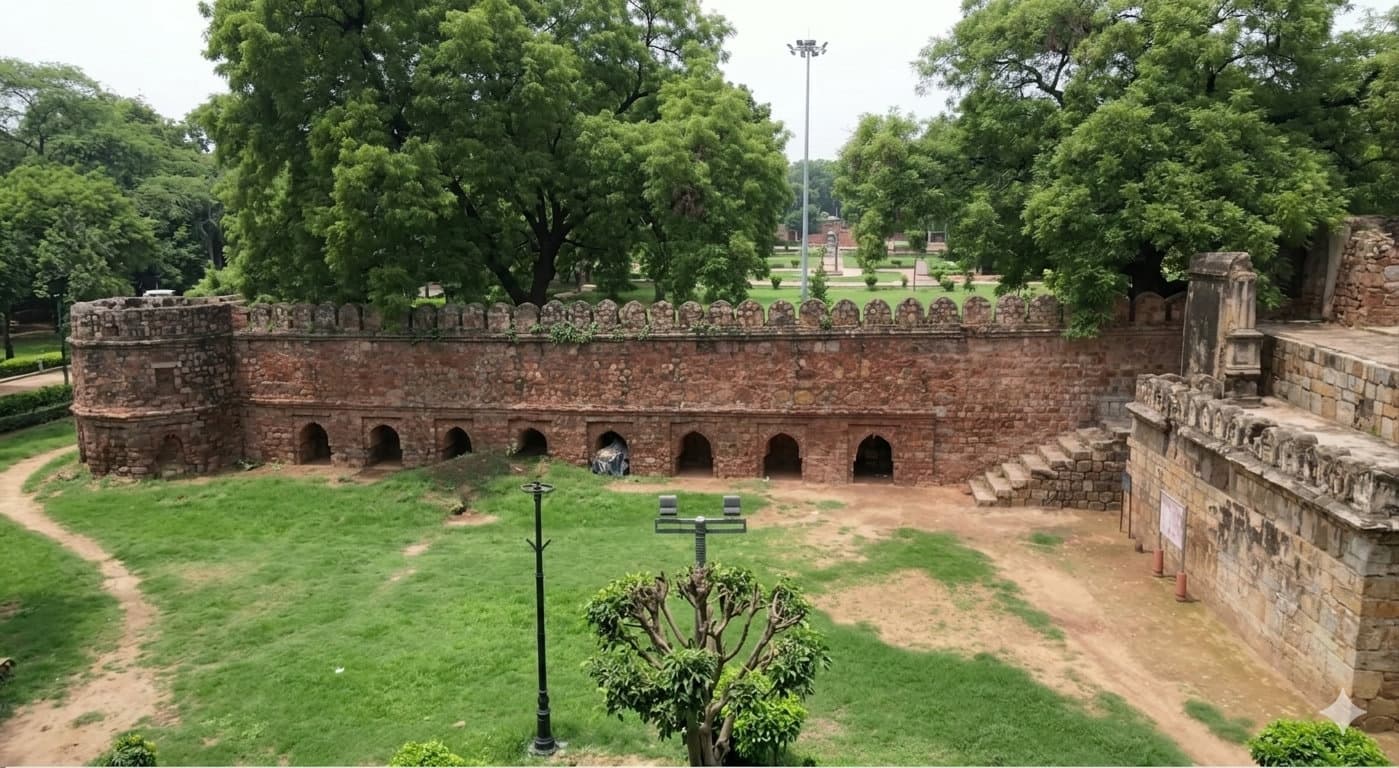
Lodhi Garden
Summary
Lodhi Garden is a 90-acre historic park in New Delhi known for monuments from the Sayyid and Lodhi dynasties. Visitors can explore structures such as the tombs of Muhammad Shah and Sikandar Lodi, along with Bada Gumbad, Sheesh Gumbad, a peaceful pond with ducks, the National Bonsai Park, and a herbal garden with Ayurvedic plants. The garden is open every day and entry is free. The nearest metro stations are Jor Bagh Metro Station and Khan Market Metro Station, about 1 km away.

Visitor Information
- Area: 90 acres
- Entry Fee: Free
- Open: Every day
- Nearest Metro Stations: Jor Bagh (Yellow Line) and Khan Market (Violet Line) – about 1 km
📍 Location: https://maps.app.goo.gl/1fgXQVj6LphfzNHSA
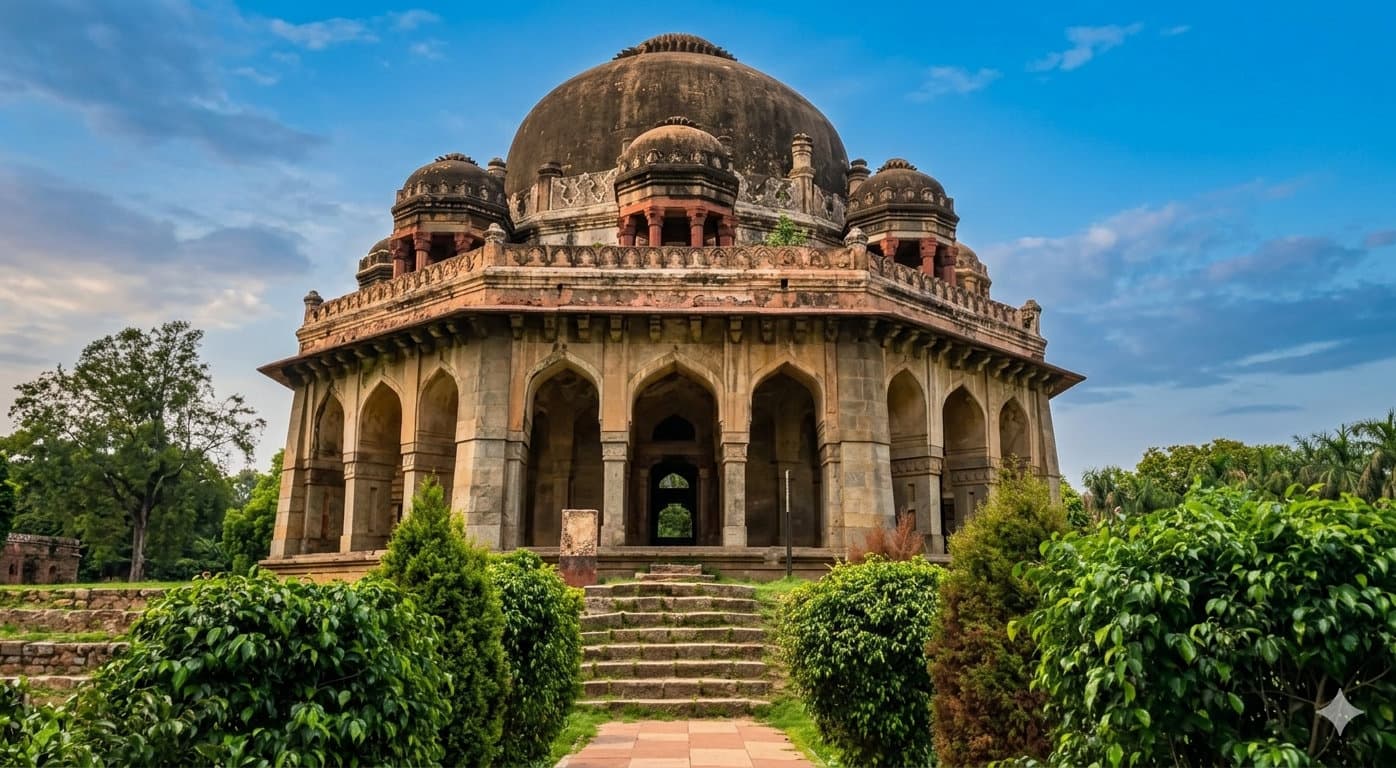
Historical Monuments
Lodhi Garden contains several monuments from the 15th and 16th centuries, mainly from the Sayyid and Lodhi dynasties.
- Tomb of Muhammad Shah – One of the oldest monuments in the garden, built during the Sayyid dynasty.
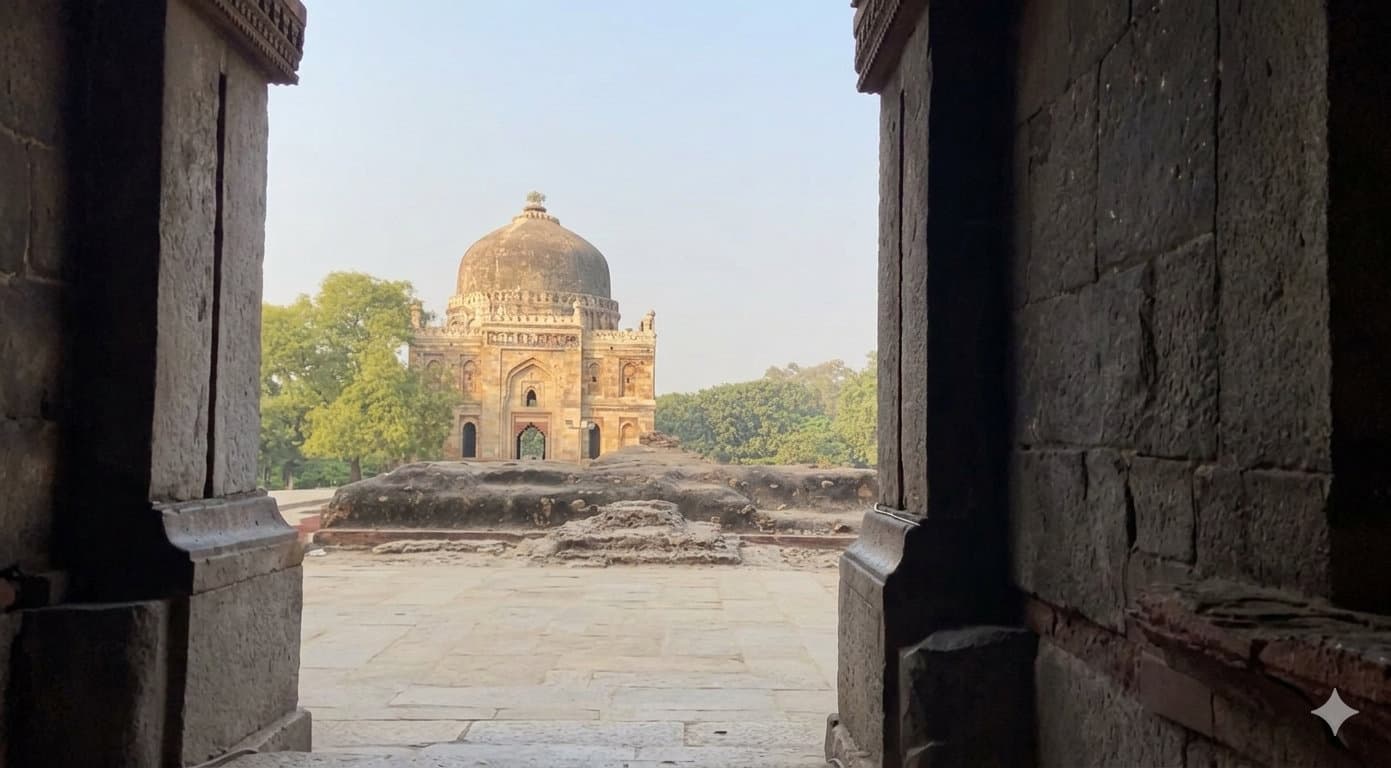
- Bada Gumbad – A large domed structure from the Lodhi period. Next to it stands a historic mosque built in 1494, which is now a protected monument and no longer used for regular prayers.
- Sheesh Gumbad – Located opposite Bada Gumbad. It once had blue glazed tiles that reflected light, giving it the name Sheesh (glass) Gumbad.
- Tomb of Sikandar Lodi – The resting place of the Lodhi ruler Sikandar Lodi, surrounded by gardens and boundary walls.
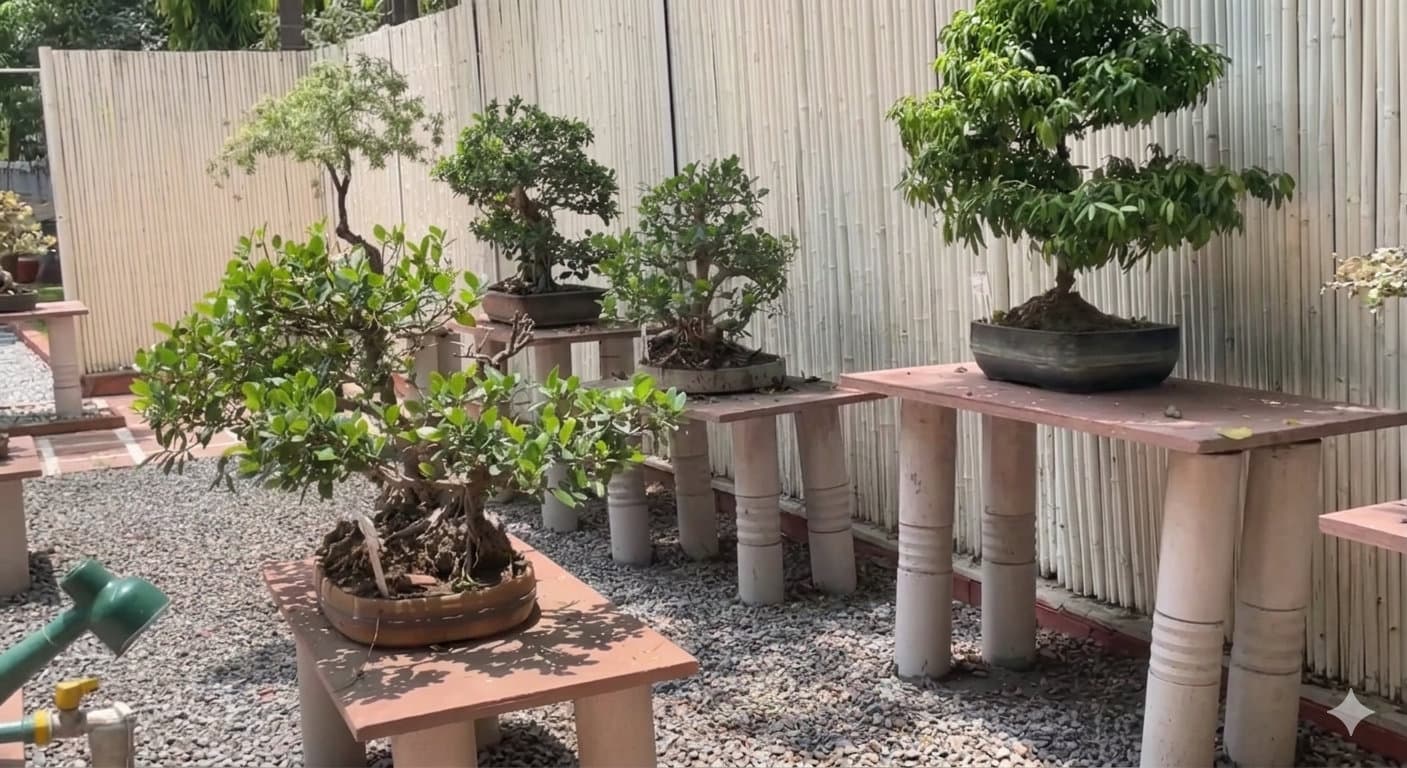
Bonsai and Herbal Gard
Lodhi Garden also features the National Bonsai Park, where visitors can see a collection of miniature trees.
Bonsai is an art form in which trees are carefully grown in small containers and shaped through pruning and training. Although the trees remain small, they are designed to resemble mature trees that would normally grow much larger in nature.
The garden also includes a Herbal Garden that showcases plants commonly used in Ayurveda, the traditional system of Indian medicine. Some of the plants you may find here include:
- Ashwagandha
- Tulsi
- Asparagus
- and several other medicinal herbs used in traditional remedies.
You may sometimes hear the claim that certain plants produce oxygen for 24 hours, but this idea is misleading. Like most living organisms, plants carry out respiration at night, which means they use oxygen and release carbon dioxide. Some plants absorb carbon dioxide during the night through a process called CAM photosynthesis, but this does not mean they continuously produce oxygen at night.
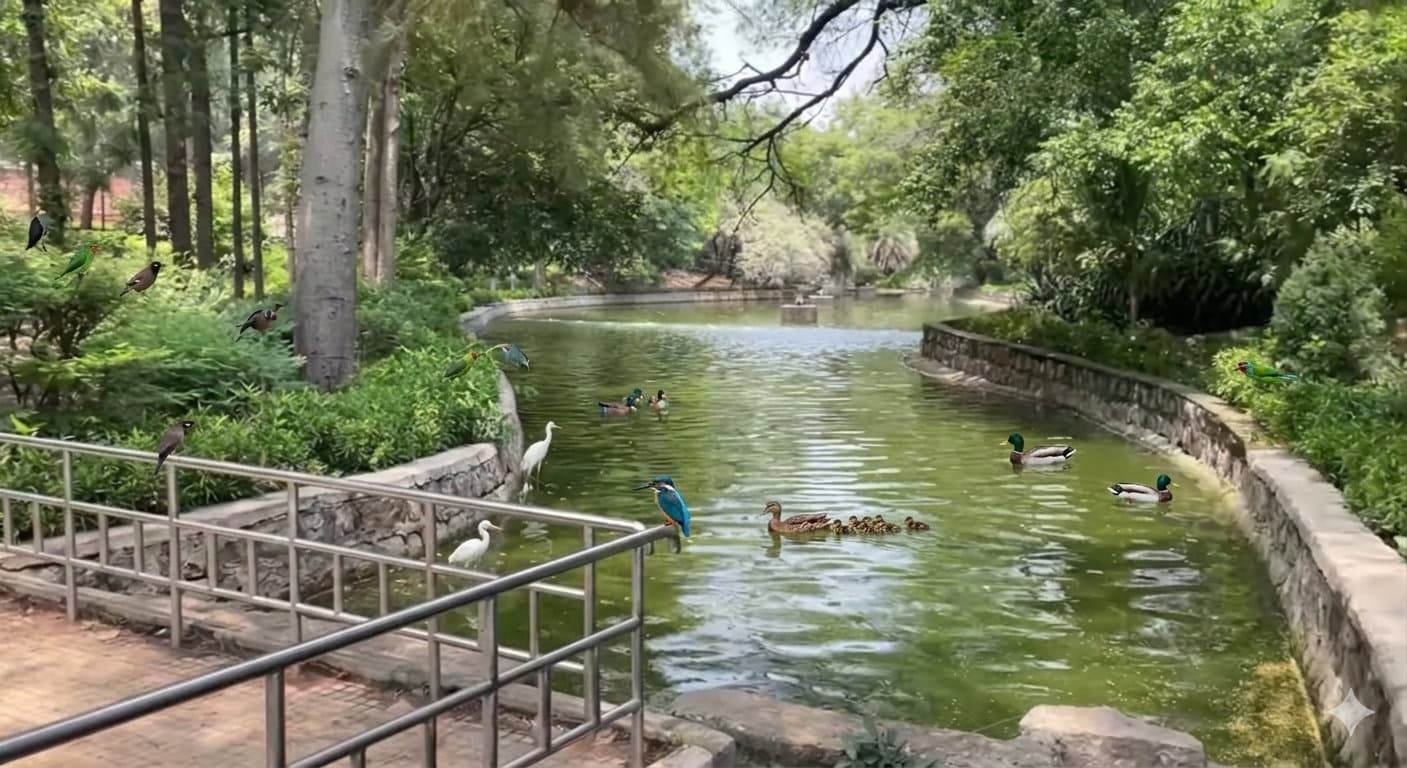
Pond and Wildlife
Lodhi Garden includes a water body that looks like a small pond or lake, where visitors often notice ducks swimming and resting near the edges. This area adds to the calm atmosphere of the park and attracts various birds.
Because of its large trees, greenery, and water source, the garden is also a pleasant spot for bird watching. Some of the birds that are commonly seen in the park include:
- Common hawk-cuckoo
- Indian grey hornbill
- Common myna
- Black drongo
- Asian koel
- Common tailorbird